The electric vehicle (EV) revolution has transformed the global auto industry, and at the center of this disruption stands Tesla automobile. Founded in 2003, Tesla has grown from a niche startup to a global powerhouse, reshaping how consumers and automakers think about mobility, sustainability, and technology. But with competition heating up from legacy automakers and new EV startups, the question on everyone’s mind is: Is Tesla still the king of EVs?
In this article, we’ll explore Tesla’s rise, its innovations, current challenges, and whether the company can maintain its throne in the future of electric mobility.
The Rise of Tesla Automobiles
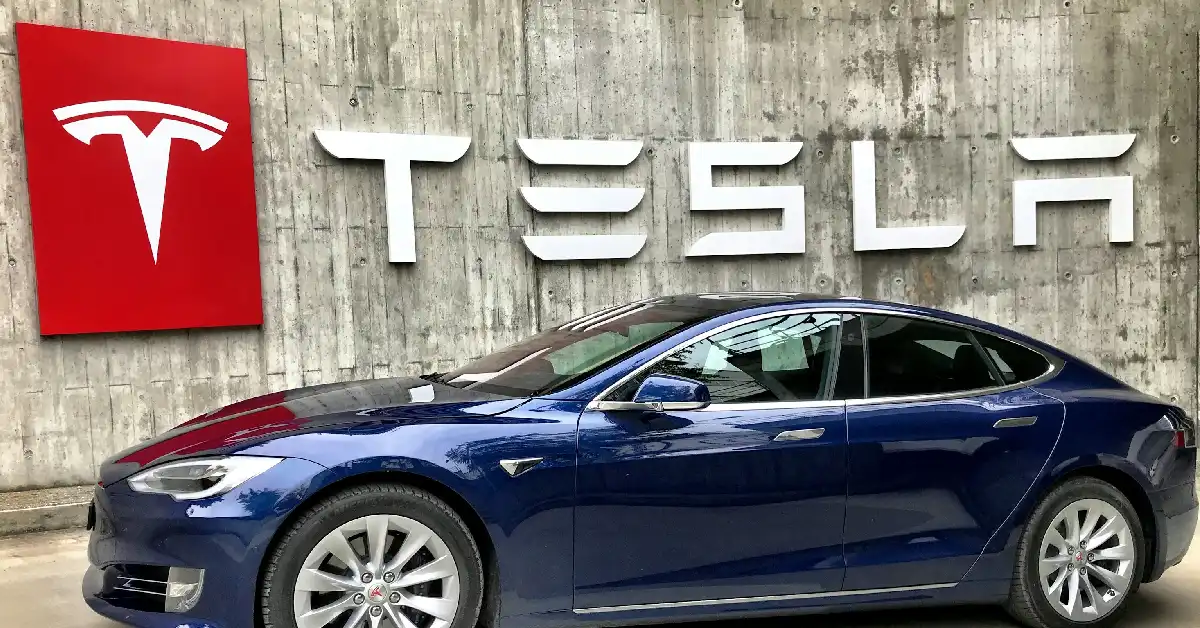
The story of Tesla automobile began with a mission — to accelerate the world’s transition to sustainable energy. When Tesla introduced the Roadster in 2008, it shattered the stereotype that electric cars were slow and unattractive. Soon after, the Model S revolutionized luxury sedans with long-range battery technology and futuristic features like Autopilot.
What truly set Tesla automobiles apart was not just performance, but vision. Elon Musk, Tesla’s CEO, positioned the company as more than just a car manufacturer — it was a tech innovator. Over the years, Tesla has built Gigafactories around the world, scaled battery production, and created an ecosystem that includes SolarCity panels and Powerwall energy storage.
Why Tesla Dominated the EV Market
There are several reasons why Tesla automobiles became synonymous with electric cars:
- Range Superiority – Tesla’s vehicles often offered more miles per charge compared to competitors.
- Supercharger Network – A global network of fast chargers gave Tesla owners unmatched convenience.
- Over-the-Air (OTA) Updates – Tesla pioneered OTA software updates, making cars “smarter” after purchase.
- Autopilot & FSD – Advanced driver-assistance features positioned Tesla as a leader in self-driving innovation.
- Brand Power – For many, driving a Tesla automobile became a lifestyle statement.
By 2020, Tesla had become the world’s most valuable automaker, with the Model 3 emerging as the best-selling EV globally.
The Competition Heats Up
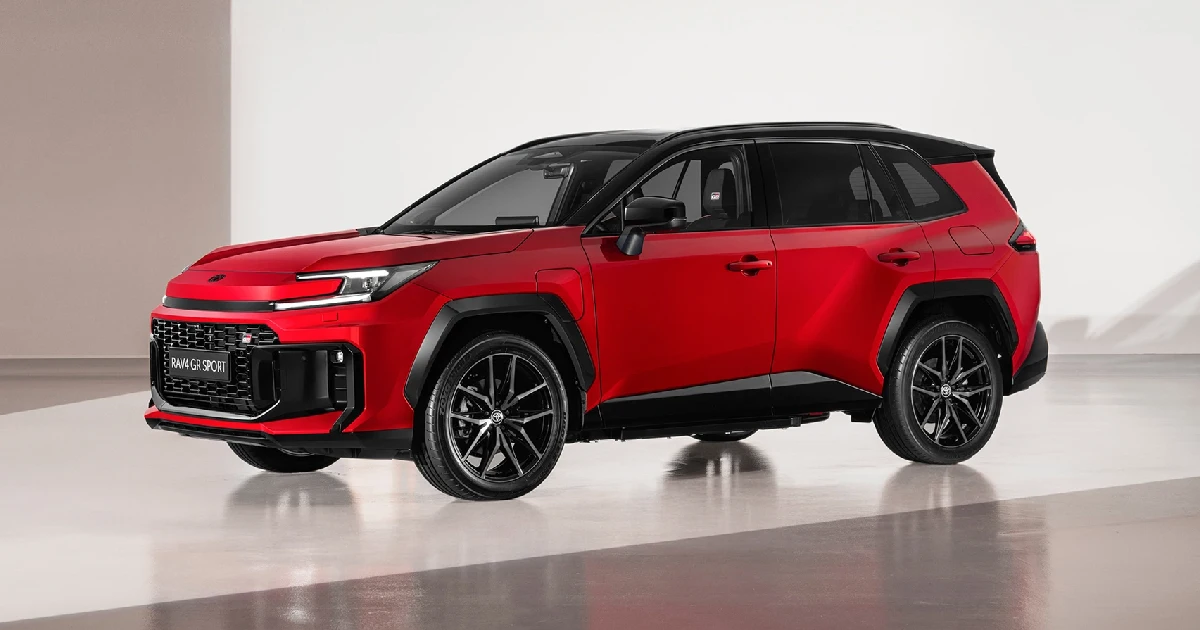
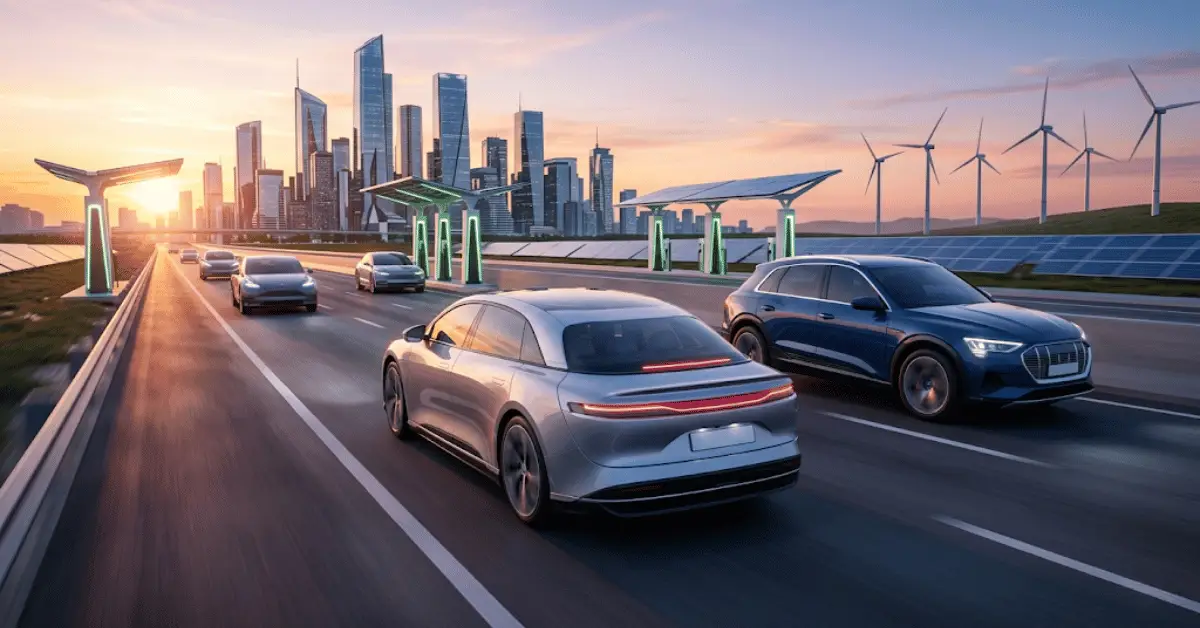
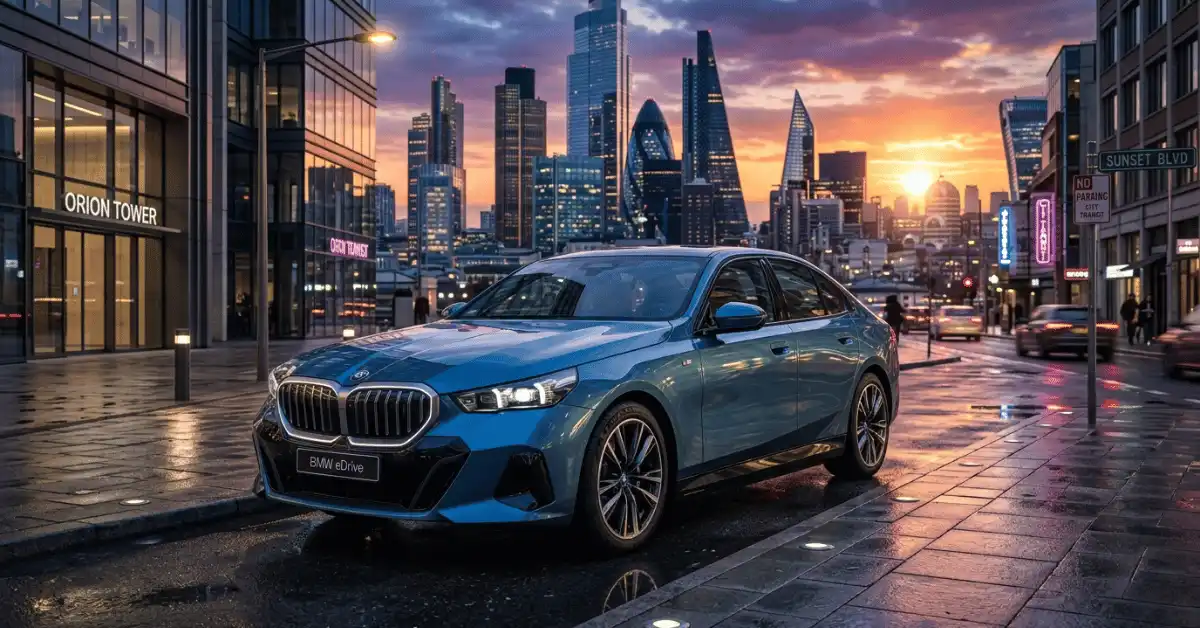
While Tesla dominated the EV space for years, the landscape in 2025 looks very different. Traditional giants like Ford, General Motors, Volkswagen, BMW, and Toyota have entered the EV race aggressively. At the same time, EV-focused startups like Rivian, Lucid Motors, and BYD in China are chipping away at Tesla’s market share.
Some of Tesla’s strongest competitors include:
- Ford Mustang Mach-E – A direct rival to Tesla’s Model Y.
- Lucid Air – A luxury EV sedan competing with the Model S, offering even higher range.
- BYD Atto 3 and Han EV – Affordable Chinese EVs rapidly scaling globally.
- Mercedes EQS – Luxury and comfort matched with cutting-edge tech.
This new wave of competition challenges Tesla’s monopoly and raises questions about whether Tesla automobiles can stay ahead.
Tesla’s Strengths in 2025
Even with more EVs entering the market, Tesla automobile continues to hold several advantages:
- Global Infrastructure – Tesla’s Supercharger network is still unmatched in coverage and speed.
- Software Leadership – Tesla’s autopilot, though controversial, remains years ahead of many rivals.
- Battery Innovation – With ongoing development in 4680 cells, Tesla aims to improve efficiency and reduce costs.
- Brand Loyalty – Many Tesla owners remain fiercely loyal, seeing the brand as a pioneer in green mobility.
- Profitability – Unlike many competitors, Tesla has maintained consistent profitability from EV sales.
Tesla’s Weaknesses
While Tesla automobiles continue to impress, the company faces challenges that could impact its dominance:
- Quality Concerns – Some owners report inconsistent build quality, panel gaps, and software bugs.
- High Prices – Tesla’s vehicles are often more expensive compared to emerging affordable EVs.
- Elon Musk’s Distractions – Musk’s focus on SpaceX, Twitter (X), and other ventures sometimes raises concerns about Tesla’s leadership.
- Slowing Growth in Key Markets – In the U.S. and Europe, Tesla faces saturation as consumers look for alternatives.
Tesla’s Impact on the U.S. Automobile Market
In the United States, Tesla automobiles still dominate EV sales. The Model Y is one of the best-selling cars overall, not just among EVs. American consumers appreciate Tesla’s innovation, brand prestige, and efficiency. However, Ford’s EV pickups, GM’s Ultium-based vehicles, and Rivian’s adventure-focused trucks are making inroads.
For U.S. buyers, Tesla is no longer the only EV choice, but it still represents innovation, performance, and a futuristic lifestyle.
Tesla in the Global Market
Globally, Tesla automobiles face stiff competition, especially from China. Chinese automaker BYD has overtaken Tesla in EV volume sales in 2024, becoming a serious rival. In Europe, brands like Volkswagen and Mercedes are appealing to eco-conscious buyers with luxury EVs.
Tesla’s global dominance is shrinking in numbers, but its brand power remains unmatched. Unlike competitors, Tesla is viewed not only as a car company but as a tech and lifestyle brand.
Is Tesla Still the King of EVs?
The answer depends on perspective:
- In terms of innovation and branding – Yes, Tesla is still the king. It set the standard and continues to influence the industry.
- In terms of market share – No, Tesla is no longer the undisputed leader, as companies like BYD and Volkswagen are catching up fast.
- In terms of customer loyalty – Tesla remains strong, but concerns about quality and customer service could hurt in the long run.
So, while Tesla automobiles are still highly influential, the throne is more contested than ever before.
The Future of Tesla Automobiles
Looking ahead, Tesla is investing in several areas to stay competitive:
- Cybertruck & Roadster 2.0 – New models aim to push innovation in performance and design.
- Energy Ecosystem – Tesla plans to expand solar and energy storage solutions.
- Autonomous Driving – Full Self-Driving (FSD) remains a key focus that could transform mobility.
- Affordable EV – Rumors suggest Tesla will launch a $25,000 EV in the coming years to compete with budget-friendly options.
If Tesla can deliver on these promises, it may continue to dominate the EV industry for another decade.
Conclusion
Tesla automobile has been a trailblazer, shaping the electric vehicle industry and redefining what cars can be. From groundbreaking technology to unmatched brand influence, Tesla’s role as the king of EVs is undeniable. Yet, with growing competition, shifting markets, and rising consumer expectations, Tesla’s crown is no longer guaranteed.
Still, whether or not it remains the top-selling EV manufacturer, one thing is certain: the Tesla automobile will forever be remembered as the brand that made electric vehicles mainstream and cool.
In the end, Tesla may not always be the king in terms of numbers, but it remains the icon of the EV revolution.