Spain is a country of passion, color, and culture — where every street tells a story and every meal feels like a celebration. If you’re planning a trip to Spain, there’s no better route than from Barcelona to Madrid, a journey that blends coastal charm with cosmopolitan elegance. Whether you’re drawn to Gaudí’s masterpieces or the royal grandeur of Madrid, this itinerary offers the perfect balance of history, food, art, and unforgettable experiences.
🏖️ Day 1–3: Begin Your Spanish Adventure in Barcelona
Barcelona, the capital of Catalonia, is a city that captures the essence of Mediterranean living — sunshine, creativity, and an unhurried lifestyle. Begin your journey here to soak up the city’s iconic architecture, beaches, and lively neighborhoods.
Must-Visit Attractions in Barcelona
- La Sagrada Família – Antoni Gaudí’s unfinished masterpiece is one of the most recognizable landmarks in the world. Its breathtaking facades and intricate interiors will leave you speechless.
- Park Güell – A whimsical park adorned with mosaics, colorful sculptures, and panoramic views of the city.
- La Rambla – A bustling pedestrian boulevard perfect for shopping, street performances, and people-watching.
- Gothic Quarter (Barri Gòtic) – Wander through narrow medieval streets filled with tapas bars, boutiques, and historic churches.
- Casa Batlló & Casa Milà (La Pedrera) – Two more Gaudí masterpieces that showcase his genius for design and creativity.
Top Experiences in Barcelona
- Relax at Barceloneta Beach with a cocktail in hand.
- Sample Tapas & Paella at local spots like El Xampanyet or Ciudad Condal.
- Catch a Flamenco Show in the evening — a fiery cultural experience.
- Climb Montjuïc Hill for views over the harbor and explore the Olympic Stadium and Magic Fountain.
Travel Tip:
Purchase the Barcelona Card for discounted entry to major attractions and free public transport access.
🚄 Getting from Barcelona to Madrid
After soaking in Barcelona’s coastal energy, it’s time to journey inland to Spain’s regal capital. The best way to travel between the two cities is by high-speed train (AVE) — a scenic and efficient ride that takes just 2.5 to 3 hours.
Travel Options:
- AVE High-Speed Train: Comfortable and fast (average cost €40–€60).
- Flight: Around 1 hour, but add airport time — less convenient overall.
- Bus: Budget-friendly but slower (around 7–8 hours).
- Car Rental: Ideal if you want to stop in Zaragoza or smaller towns along the route.
🏰 Day 4–7: Discover Madrid – The Heart of Spain
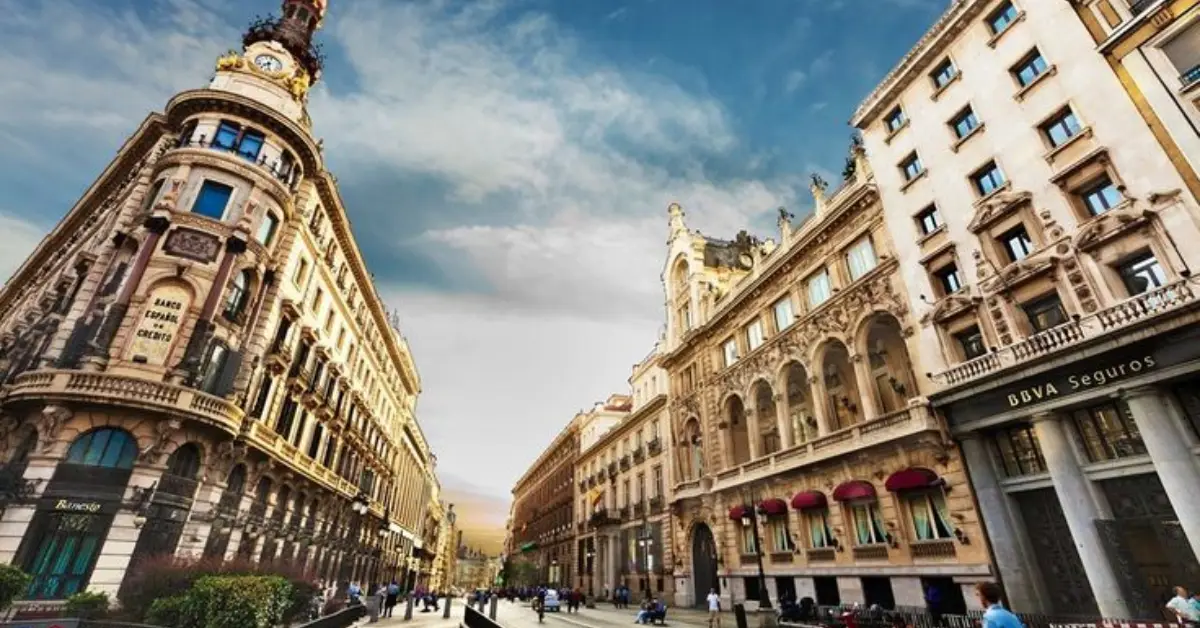
Welcome to Madrid, the vibrant and artistic capital of Spain. Known for its royal palaces, museums, and energetic nightlife, Madrid combines old-world elegance with modern flair.
Must-Visit Attractions in Madrid
- The Royal Palace (Palacio Real) – The official residence of the Spanish royal family, featuring over 3,000 rooms of opulence.
- Prado Museum (Museo del Prado) – One of the world’s greatest art museums, home to works by Goya, Velázquez, and Rubens.
- Retiro Park (Parque del Retiro) – A peaceful green oasis perfect for boating, walking, and relaxing.
- Plaza Mayor & Puerta del Sol – The heart of Madrid’s social and cultural life.
- Thyssen-Bornemisza Museum – A must for art lovers, with collections ranging from Renaissance to Pop Art.
Madrid Experiences You Shouldn’t Miss
- Food Tour in Mercado de San Miguel – Sample gourmet tapas, Iberico ham, and churros.
- Watch a Flamenco Show in Casa Patas or Corral de la Morería.
- Visit Santiago Bernabéu Stadium – A pilgrimage for Real Madrid fans.
- Explore the Malasaña & Chueca Districts – Trendy neighborhoods full of cafes, street art, and boutiques.
Travel Tip:
Get the Madrid Tourist Travel Pass for unlimited use of the metro and buses. It’s convenient and cost-effective for exploring the city.
🏞️ Optional Stop: Zaragoza – The Hidden Gem Between Barcelona & Madrid
If you have time, break your journey in Zaragoza, located halfway between Barcelona and Madrid. This lesser-known city is full of history and charm.
Highlights:
- Basilica del Pilar – An architectural masterpiece on the Ebro River.
- Aljafería Palace – A stunning Moorish fortress with Islamic architecture.
- Tapas in El Tubo – A lively food district loved by locals.
Zaragoza offers a more relaxed, authentic Spanish experience away from the crowds of the big cities.
🍷 Spanish Cuisine: Savor Every Bite
One of the best parts of traveling through Spain is the food. Every region has its specialties — and the Barcelona to Madrid route gives you a delicious variety.
Must-Try Dishes
- Tapas: Small plates of everything from patatas bravas to jamón ibérico.
- Paella: Originally from Valencia, but available all over Spain.
- Churros con Chocolate: A sweet Madrid favorite.
- Tortilla Española: The classic Spanish omelet made with eggs, potatoes, and onions.
- Cava & Rioja Wine: Pair your meals with Spain’s best sparkling and red wines.
Travel Tip:
Embrace the Spanish dining schedule — lunch is around 2 PM, and dinner rarely starts before 9 PM!
🏨 Where to Stay in Barcelona & Madrid
Barcelona
- Luxury: Hotel Arts Barcelona, W Barcelona
- Mid-range: H10 Metropolitan, Hotel Jazz
- Budget: TOC Hostel Barcelona, Hostel One Paralelo
Madrid
- Luxury: The Westin Palace Madrid, Gran Meliá Palacio de los Duques
- Mid-range: Room Mate Oscar, Dear Hotel Madrid
- Budget: The Hat Madrid, Ok Hostel Madrid
Book early if you’re traveling in summer or during festivals — both cities attract millions of tourists each year.
🚶♀️ Getting Around Spain
Spain has an excellent transportation network, making travel between and within cities easy.
- In Barcelona: Use the metro or rent a bike to explore.
- In Madrid: Metro and buses cover the entire city efficiently.
- Between Cities: Renfe’s AVE trains are the fastest and most scenic option.
Consider purchasing Renfe Spain Pass for multiple train journeys if you plan to visit other cities like Seville, Valencia, or Granada.
🌅 Best Time to Visit Spain
- Spring (March–May): Pleasant weather, blooming parks, and fewer tourists.
- Summer (June–August): Lively festivals, beach days, and long evenings — though it can get hot.
- Autumn (September–November): Ideal for sightseeing with mild temperatures.
- Winter (December–February): Great for budget travelers; festive markets and cultural events.
💡 Travel Tips for First-Time Visitors
- Learn a few Spanish phrases – Locals appreciate it when visitors try.
- Book tickets in advance for attractions like Sagrada Família and Prado Museum.
- Stay vigilant in crowded areas like La Rambla and Sol – pickpocketing is common.
- Siesta time is real – Some shops close in the afternoon, so plan accordingly.
- Carry cash – Many smaller bars and cafés prefer cash payments.
✈️ Wrapping Up: A Journey to Remember
Traveling from Barcelona to Madrid isn’t just about moving between two cities — it’s a journey through Spain’s heart and soul. From Gaudí’s colorful dreams to royal palaces and world-class museums, this itinerary offers an unforgettable mix of art, architecture, and authenticity. Whether you’re exploring cobblestone streets, savoring tapas under the stars, or dancing to the rhythm of Flamenco, Spain will leave a mark on your heart forever.
❓FAQs About Traveling from Barcelona to Madrid
Q1. What’s the best way to travel from Barcelona to Madrid?
The AVE high-speed train is the best choice — fast, comfortable, and scenic.
Q2. How many days should I spend in each city?
Ideally, 3 days in Barcelona and 3–4 days in Madrid offer enough time to explore major attractions.
Q3. Is it better to start in Barcelona or Madrid?
Start in Barcelona for a relaxed coastal vibe, then end in Madrid for culture and nightlife.
Q4. Can I take day trips from these cities?
Yes! From Barcelona, visit Montserrat or Girona; from Madrid, explore Toledo or Segovia.
Q5. What’s the average travel budget for this trip?
Expect around €120–€150 per day (mid-range budget) including hotels, meals, and transport.