Fashion is a dynamic industry that constantly evolves, with trends emerging and fading away. One aspect that has significantly impacted the fashion landscape in recent years is the rise of fast fashion. Fast fashion refers to the rapid production and consumption of inexpensive clothing inspired by runway trends. It has revolutionized the way we approach fashion, but it also raises questions about sustainability and the longevity of fashion trends. In this article, we will explore the role of fast fashion and delve into the lifespan of fashion trends.
The Rise of Fast Fashion
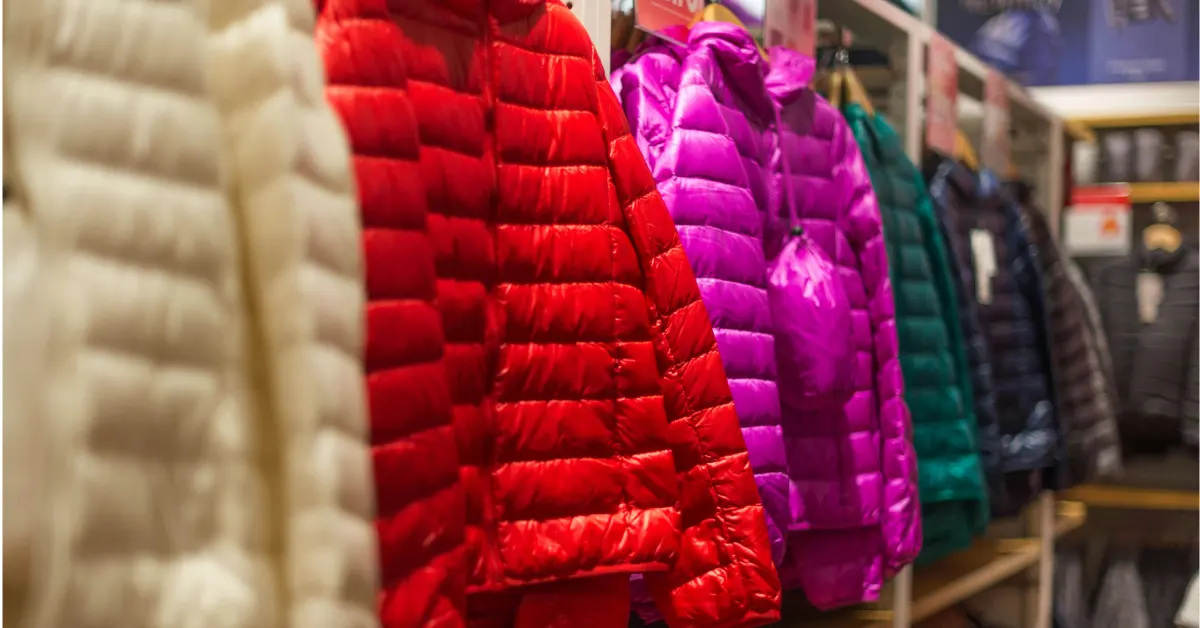
Definition and Characteristics: Fast fashion emerged in the 1990s as a response to the demand for affordable, trendy clothing. It involves quick turnaround times, low production costs, and a constant influx of new designs inspired by high-end fashion. Fast fashion brands produce garments in large quantities, using cheap materials and labor to keep prices low.
Consumption and Disposal: Fast fashion has fueled a culture of excessive consumption, with consumers purchasing clothing at an unprecedented rate. The low price points and constant introduction of new styles have created a cycle of continuous buying. However, this disposable mentality has led to significant environmental consequences, as landfills are inundated with discarded clothing.
Ethical Concerns: The fast fashion industry has also faced scrutiny regarding its labor practices and supply chain transparency. Many fast fashion brands outsource production to countries with lower labor costs, where workers may face low wages, poor working conditions, and exploitation. Ethical concerns have sparked conversations about the need for more responsible and sustainable fashion practices.
Lifespan of Fashion Trends
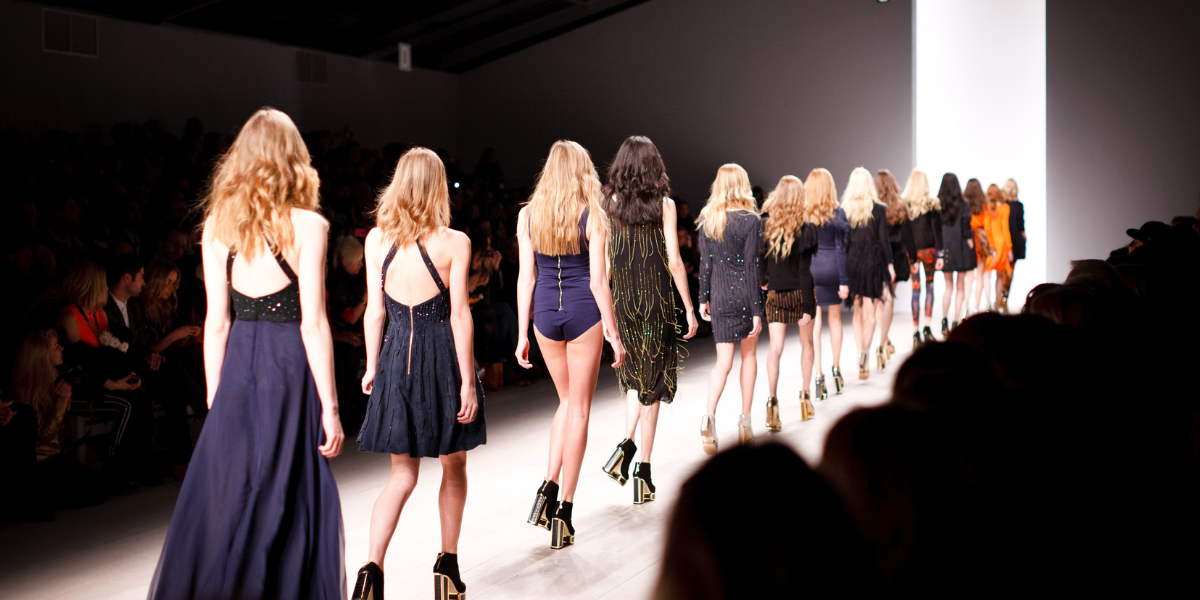
Introduction of Trends: Fashion trends are introduced through various channels, including runway shows, fashion weeks, celebrity influences, and social media. Designers showcase their collections, and influential figures set trends by wearing specific styles. The introduction of trends can be sudden or gradual, depending on their popularity and the resonance they have with consumers.
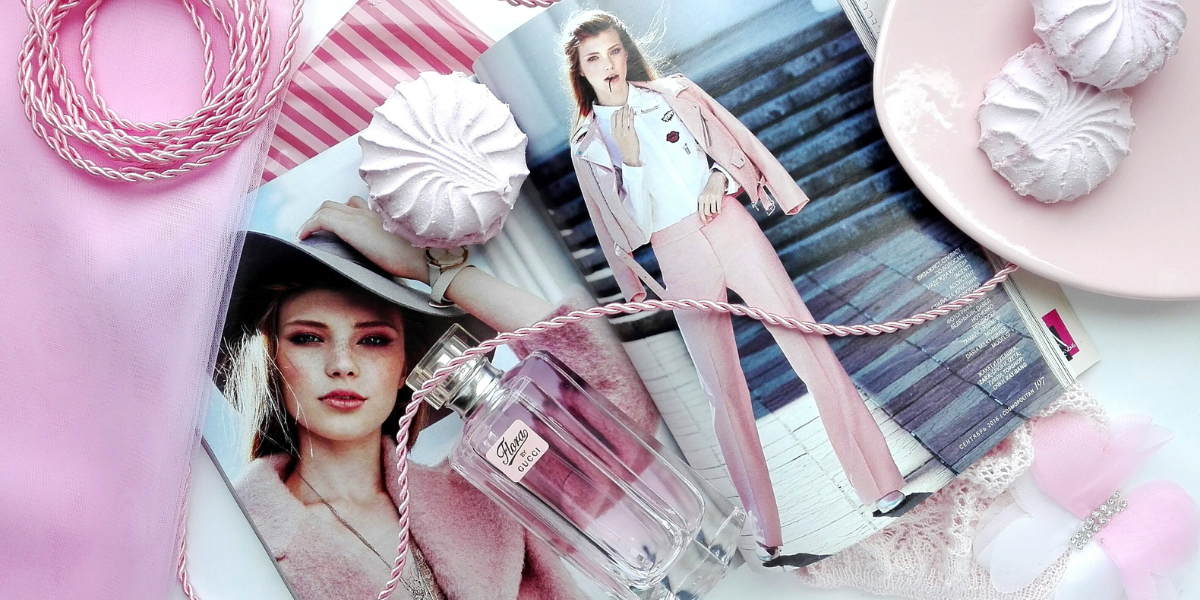
Peak Popularity: Fashion trends reach their peak popularity when they are widely adopted and embraced by the masses. During this stage, you will see the trend showcased in numerous stores, worn by celebrities, and featured prominently in fashion magazines and social media platforms. The trend becomes synonymous with the current fashion zeitgeist.
Saturation and Decline: After reaching the peak of popularity, fashion trends often become oversaturated. The market becomes flooded with variations of the trend, and consumer interest starts to wane. People may begin to feel that the trend has become too common or predictable, leading to a decline in its popularity.
Revival and Timelessness: Some fashion trends experience a revival after a period of decline. Fashion is cyclical, and trends from previous decades often resurface with a modern twist. Certain styles, such as the little black dress or a well-tailored blazer, are considered timeless and continue to be relevant regardless of current trends.
Influences on Trend Lifespan: Several factors can influence the lifespan of a fashion trend. The nature of the trend itself, its versatility, and the extent to which it resonates with consumers all play a role. Additionally, external factors such as socio-cultural shifts, technological advancements, and changes in consumer values can shape the lifespan of a trend.
The rise of fast fashion has undoubtedly reshaped the fashion industry, making trends more accessible and affordable than ever before. However, it has also raised concerns about sustainability, labor practices, and the disposable nature of fashion. When it comes to the lifespan of fashion trends, it varies greatly depending on factors such as consumer adoption, saturation, and cultural shifts. While some trends may fade quickly, others can experience revivals or become timeless classics. It is important for consumers and the industry as a whole to consider the impact of fast fashion and strive for a more sustainable and ethical approach to fashion consumption. By understanding the role of fast fashion and the lifecycle of fashion trends, we can make informed choices and contribute to a more responsible fashion ecosystem.